
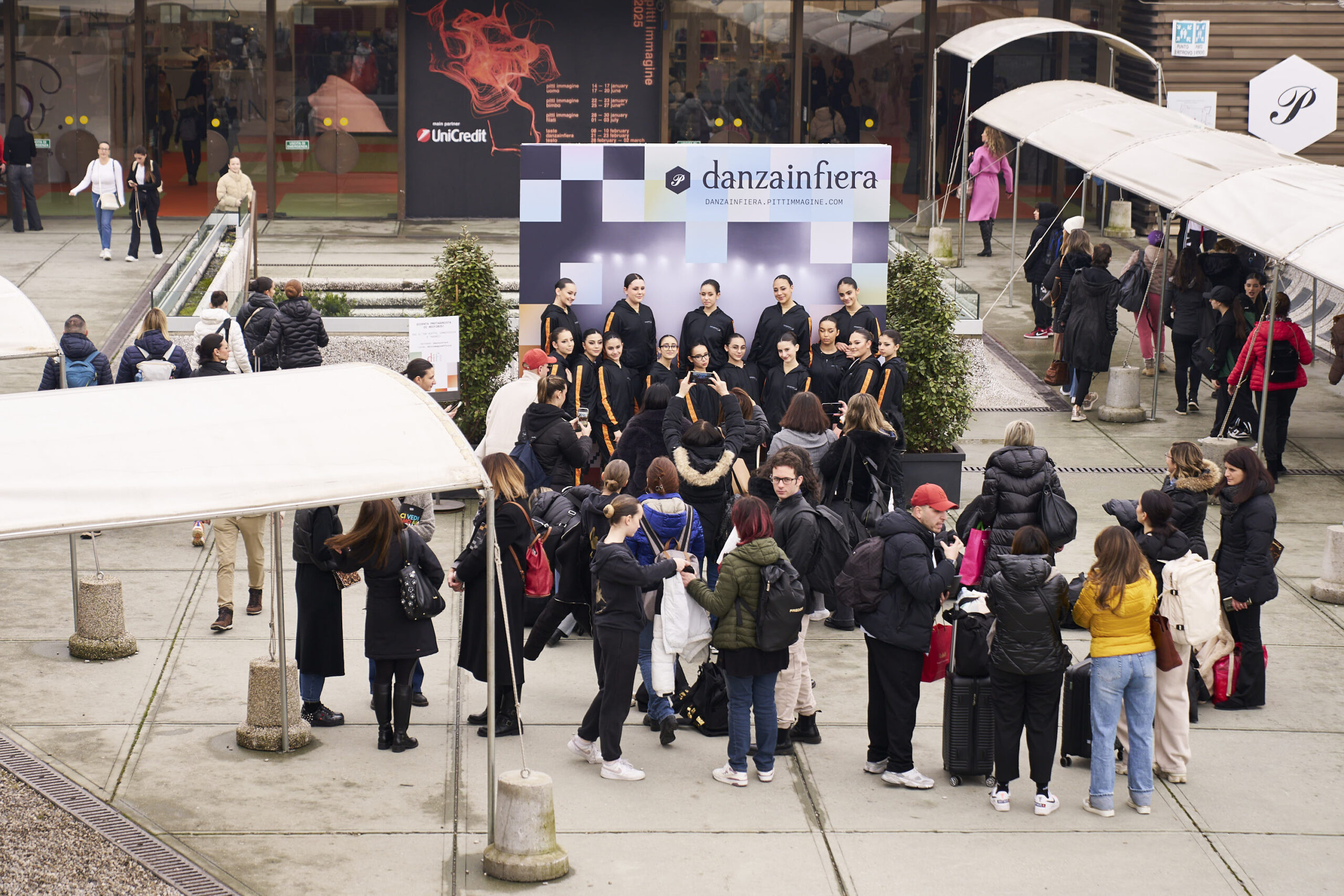
Taking place each year in a historic fortress-turned-convention center in Florence, Italy, Danzainfiera has grown into one of Europe’s premier dance trade shows. Its diverse program of performances, master classes, and talks draws a wide spectrum of participants, from student and professional dancers to brands and retailers.
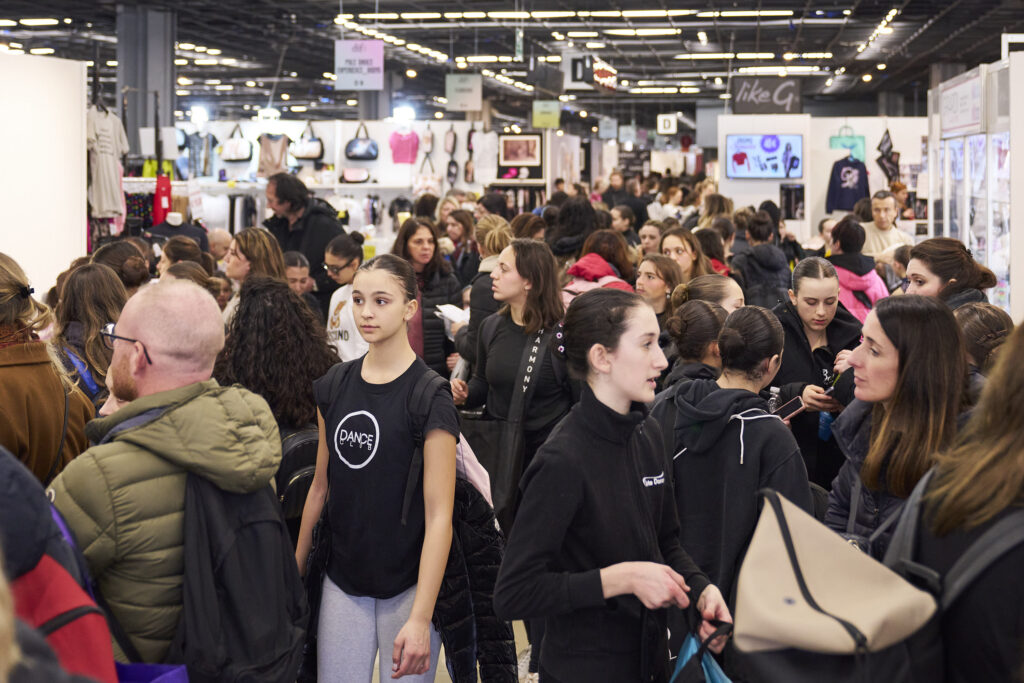
At the 19th edition last February, more than 80 brands—over half from outside Italy—presented their newest products, while over 500 buyers traveled internationally to discover what to stock in their stores, according to event literature. The training and entertainment area hosted 60 schools, contributing to a total attendance of approximately 20,000, including more than 10,600 dancers, 760 teachers, and over 100 accredited journalists.
This year marks Danzainfiera’s 20th anniversary, running from February 20–22. In line with this milestone, DRN spoke with sales-and-development lead Barbara Mantero, about the show’s growth, how the dance retail landscape has shifted since its inception, and what visitors can look forward to at Danzainfiera’s special anniversary edition.
What was the motivation behind setting up the Danzainfiera trade show back in 2006?
Danzainfiera was born from a gap in the market. At the time, there were no international trade fairs to connect professionals in this sector. All of the signs pointed to the value of creating a hybrid event, one with a B2B spirit that was also open to the public, with a calendar with hundreds of training events for dancers and teachers. We wanted to engage all of the key players in the industry.
How would you describe the dance retail landscape in Europe at that time? How has it evolved since?
Then, dance teachers relied almost exclusively on small, well-established local shops. With the advice and guidance of retailers, they selected the best technical products for their students—from leotards, shoes, and tutus to uniforms, bags, and sportswear. Then came the rise of large shopping malls and sports chain-stores, offering lower-quality products. This led to a loss of some sales.
Today, dance has become part of the lifestyle sector and often influences the world of fashion. Dance-specific stores have evolved as a result: They are fewer in number, and single-brand stores have emerged. All of them focus on offering the highest-quality products in order to maintain a level of trust with their main clients—the artistic directors of dance schools, especially those providing professional-level training.
How has Danzainfiera developed over its two decades of operation?
Over the years, the specialized companies and tailoring ateliers Danzainfiera works with have evolved, creating accessible and versatile products ideal for every aspect of dance. Technical equipment and discipline-specific tools have also emerged: from reformers to spine correctors and other innovations designed to optimize performance and support the dancer’s functional well-being. These developments have transformed the event into a space where body, mind, movement, and teaching all come together.
What can visitors, particularly those interested in the retail aspect of the show, expect from Danzainfiera’s 2026 edition?
Davide Roini, head of sales and business development at Danzainfiera, has described the 20th edition as representing both business and education. The show will feature a dedicated Health and Wellness area focused on holistic disciplines. There will also be a focus on the K-pop phenomenon, as well as products and lessons focused on dancer care and the use of innovative materials. All of this will make the event a hub for exchange and discussion.
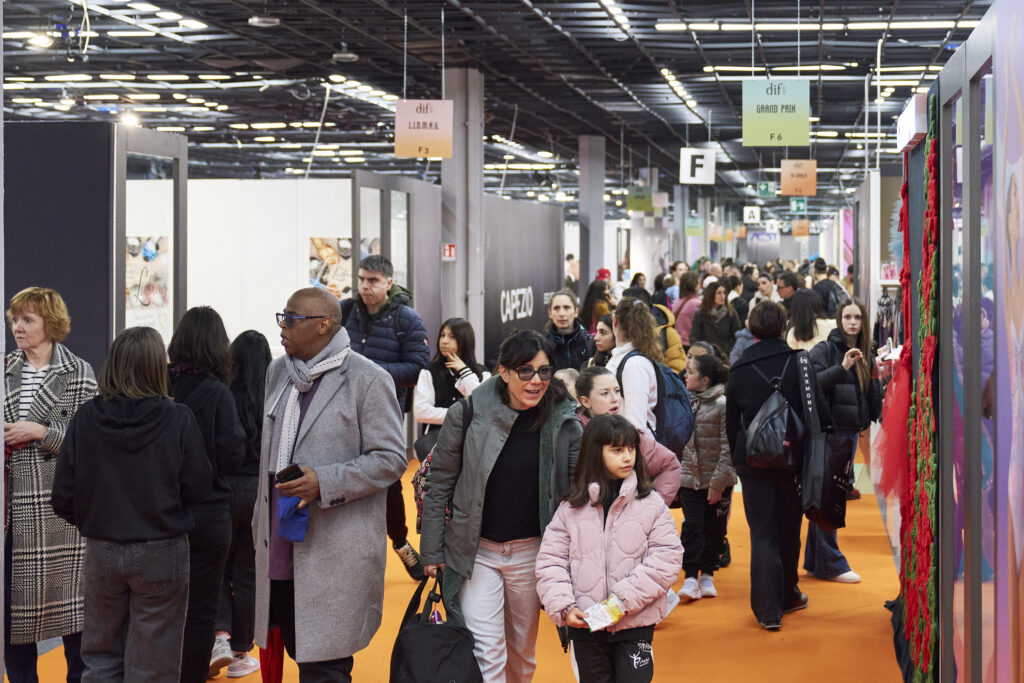
Established brands such as Bloch, Grishko, Capezio, Gaynor Minden, and Merlet Dance will be back at the show, as well as emerging names and newcomers, including Mondor, Balance by Cherevychko, Imperfect Pointes, Apliéplus, and Techdance.
What are your aims and ambitions for the next 20 years of Danzainfiera?
As Daria Vagelli, the manager of Danzainfiera says, “Our main aim is to increasingly become an international point of reference, both for product innovations and dance cultural trends. In short, the place where everyone who loves dance and works in this sector wants to be!”
Emily May is the editor of Dance Retailer News.