

If retirement is in the picture for you—or you fancy moving to a new city or changing careers—selling your store may be the exit strategy you’re imagining. If so, it’s never too early to start planning, says M&A advisor Barbara Taylor of Allan Taylor & Co. “It takes at least a year, if not longer,” she says. “But really, you should start prepping your business for sale the day you start it.”
Victoria Lyman Guimarães, owner of Allegro Dance Boutique—which has locations in Evanston and Barrington, IL, as well Braga, Portugal—saw that firsthand when she bought two different dancewear businesses from owners who were retiring. “Don’t start thinking about your exit when you want to exit” is the lesson Lyman learned vicariously. A business mentor Lyman worked with told her she “has seen so many women who work their tails off and then want to retire. That’s when they realize they have nothing to sell.”
So what steps can retailers take now, so that when you decide it’s time to move on, you can finish strong?
Start with your financial statements—your profit-and-loss, your balance sheet.
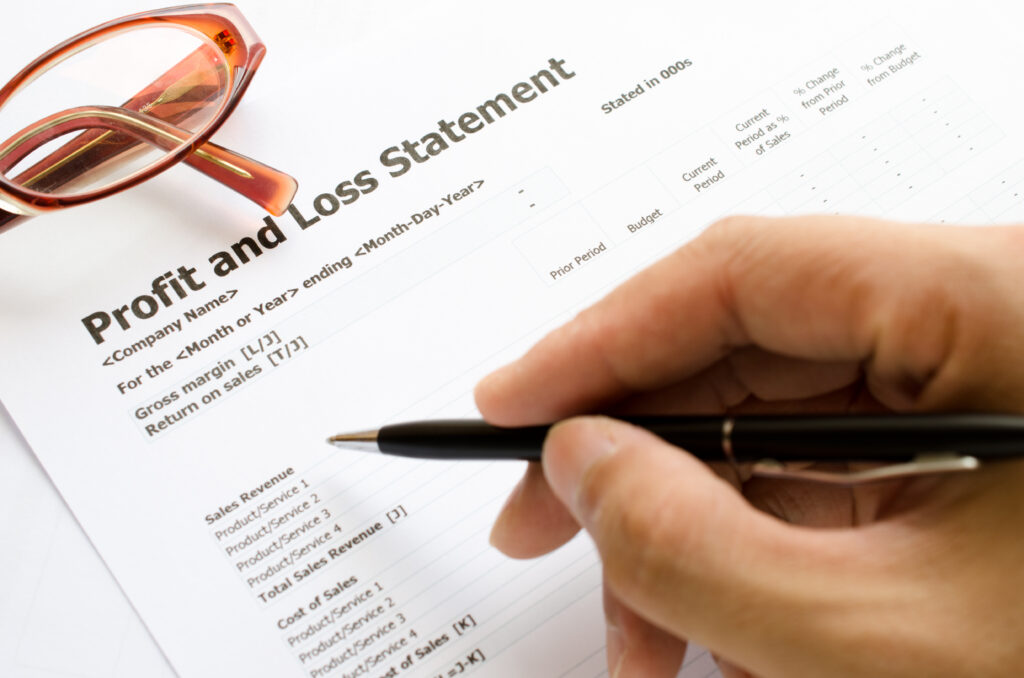
These and your tax returns are the foundation of what your business is worth—and what a buyer will scrutinize the most. “Show them to someone who sells businesses,” says Taylor. They can look at your revenues, expenses and profitability objectively, from a buyer’s perspective. Problems may surface—one reason you need lead time is so you can fix them. Are you showing enough detail about revenues so the prospective buyer knows how you make money?
What are your real profits? Buyers will want to know. How much are you living out of the business? Some owners fall into the trap of lowering net income to reduce taxes, but that makes the business look unprofitable. No matter how much you explain, it weakens your position as a seller.
“Everyone accepts add-backs [to profits], like expending your personal auto, or your personal cell phone, or meals and entertainment, or a trip that’s half business,” says Taylor. Anything beyond that, you should stop a year or two before you want to sell. It’s also advisable to pay yourself a market-rate salary in case a new owner has to replace you. “Make it clear what the expenses are, and what goes into profit,” says Taylor.
Document all your processes.

Do you have job descriptions? An employee manual? Opening and closing routines? What about details on group pointe-shoe-sales events? “The knowledge can’t all be in the owner’s head, because you’re going to be handing operations over to someone else,” says Taylor. You’ll save having to explain everything that makes your business tick, and the new owners will have more confidence about being able to make a success of the business themselves.
When Lyman bought her businesses, she wanted to know things like: How many people are on your email lists? What studios do you work with and who are your contacts at each one? Who are the important people I need to know? “For the Barrington store, the owner showed me a binder with all the special orders—this studio has a competition in January, so contact them in November and so on,” she says. “I could see how the store made its revenues, not just the numbers on the financial statements.”
Groom key people who know how your store runs.

Even though you’re the boss, make sure that you have other key people in place, such as a manager and experienced staff that your customers know. Share real responsibilities, and do anything you can to encourage loyalty to the business, not just to you. “Every buyer fears that customers aren’t going to come, and all the employees are going to leave,” Taylor says. It will be a selling point if the buyer can reasonably expect to start out with competent staff members who love working at the business, and that have customers who respect them.
Sometimes staff end up being potential buyers. When it was time for Georgia Tetradis, owner of Beam & Barre in Greenwich, CT, to retire, she sold her business to Cara Milo. She was originally a customer at the store before working there for nine years. As a college student, Lyman worked at Before the Ballet in Evanston, IL, the first store she bought, and spent five years learning all the ins and outs of the business, the market, and its customers. The owner used to joke, “I should sell you this business.” Lyman, who was 24 at the time, would laugh, but then eventually thought “Why not?”
Get good professional advice.

You’ll want accounting help for fine-tuning your financial statements and tax advice on the impact of the sale on your personal finances. You’ll want to get an idea of how much your business is worth well ahead of time, because there may be things you can do to improve that price.
The cost of a certified valuation is dependent on the size of your business, but a business broker can usually do one for less. There are various formulas used. According to Taylor, a common one for stores is a multiple of its pretax earnings (the multiple would be two or three for a really good shop with a strong reputation). Tetradis and Milo arrived at a selling price that was a percentage of the previous year’s sales (50 percent), plus the cost of the inventory, plus a little extra.
For businesses with inventory, that can have a big impact on a selling price, because of its seasonality and fluctuating size, which makes it negotiable. Taylor advises getting rid of all stale and damaged inventory before a sale. Lyman, whose two store purchases in the US were for the value of each store’s assets (fixtures, etc.) plus inventory, says that valuing inventory can be tricky. A seller might reason: Bloch just charged me $15, so it’s worth $15, and that’s what I’m counting it as in the value of the inventory. “But as a buyer, I may know I can use a fall incentive and get that same item for 18 percent off,” Lyman says. “And it will be brand-new.”
In the end, there are no hard and fast rules about a selling price. “It’s’s worth what the buyer pays you,” says Taylor.
Have a plan for afterward.

“Naively, I didn’t think about what I was going to do after I sold the store,” says Tetradis, who was a buyer at Saks Fifth Avenue and then ran Beam & Barre for 31 years. “I was 58 years old. There are only so many ballet classes, only so many visits to the gym [you can do]. Some people can retire and never look back. It was really difficult for me.”
After eight weeks, Tetradis approached the owner of On Stage Dancewear in Manhattan and took a job working there part-time. She was happy to be free of the responsibilities of ownership and the one-and-a-half-hour commute to the store she owned in Connecticut, but still part of the dance community she loves.
The Bottom Line
Think about your exit strategy the day you start your business. If you hope to sell your business, and use the proceeds for a comfortable retirement or a new venture, plan the steps you can take now, so that when you decide it’s time to move on, you can finish strong.
Basia Hellwig is a former editor of Dance Retailer News.
This is an updated version of an article originally published on Dance Business Weekly in 2019.