
Natasha Beland suspected so many other potential culprits first. The former dancer was cycling in and out of ballet companies and freelance work while dealing with a slew of health issues. At her urging, her then-husband went to great lengths to help: ripping mold out of walls, changing their mattress, and swapping household products.
“I literally looked at everything except my clothes,” she says. “It’s just one of those things that you don’t think of.”
Beland may never know whether her wardrobe contributed to her health issues. But when her father sent her an article about the chemical compound BPA being detected in clothing, she was inspired to merge her passions for dance and business by launching the dancewear brand EtoilePro. Her goal is to create nontoxic, sustainable activewear that reduces harm to both human health and the environment.
The presence of chemicals in clothing may be particularly concerning in dancewear. Leotards and other dance staples are “typically tight, high-friction, and often worn for long periods during heavy sweating,” says Roy Gerona, a chemist at the University of California, San Francisco. The constant movement, heat, moisture, and skin oils may increase the shedding of microfibers and the release of chemicals from garments, potentially facilitating their absorption into the body. Gerona describes it as a “perfect storm.”
Know What Could Be in the Dancewear You Sell

The synthetic materials and chemicals give clothing a lot of in-demand properties, including stretch and durability. But “companies have gone with the ‘Put it out there in the world and figure out what the consequences are later’” approach, says Melissa Valliant, communications director at Beyond Plastics, a nationwide grassroots environmental organization based at Bennington College in Vermont. “That’s on policymakers too.”
Some states like California have enacted specific product regulations, but Libby Davis, science manager at the Center for Environmental Health, says that “nationally it’s pretty much the Wild West.” Dancers and dance business owners alike are left to navigate an underregulated frontier.
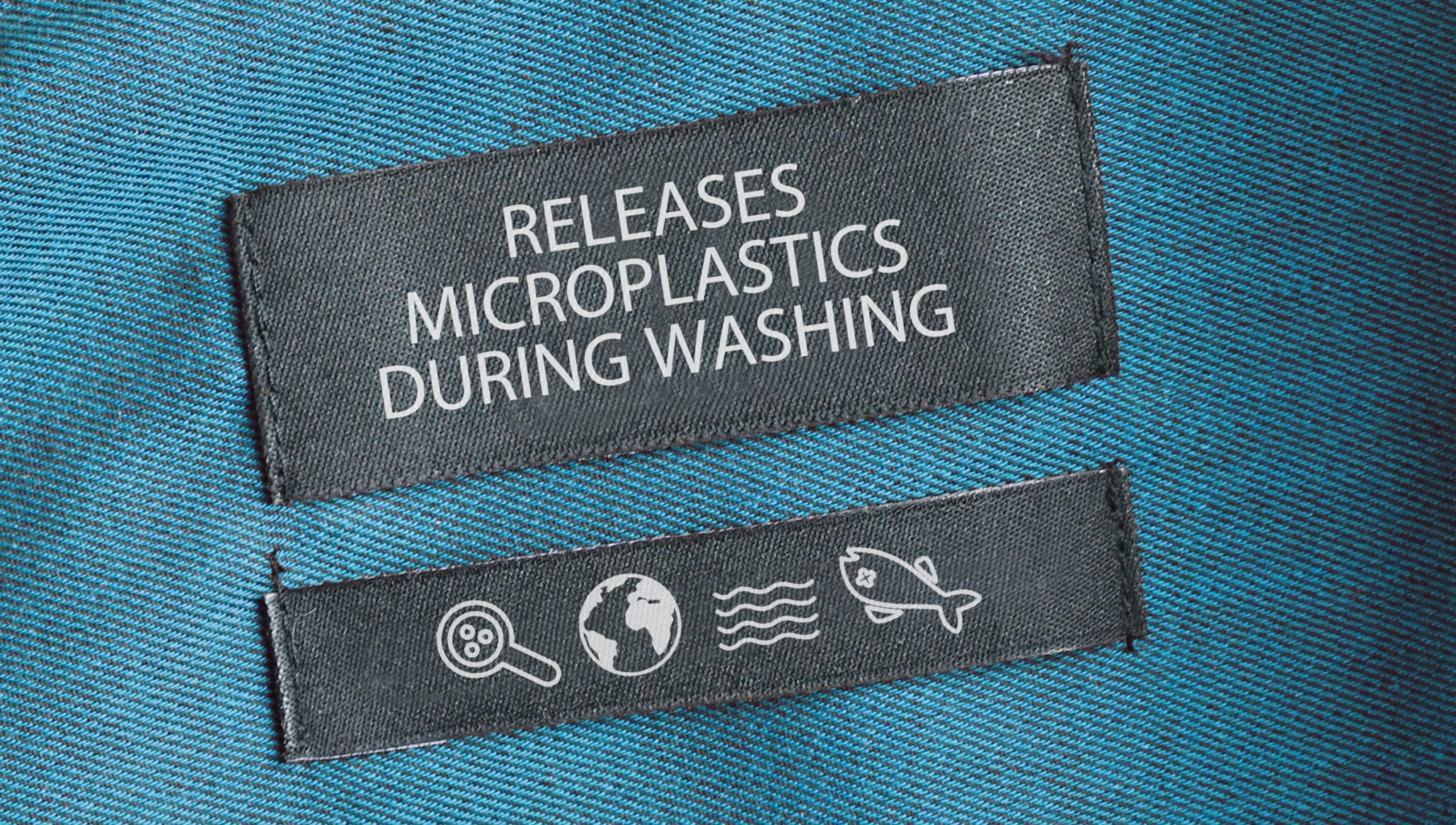
Synthetic materials like polyester, nylon, spandex, and elastane shed tiny microplastic fibers into the air, skin, and water when they’re worn and washed. Microplastic pollution is a growing environmental issue, according to this report published by Stanford Medicine, and although evidence is still emerging, current studies suggest chronic exposure may increase risk for asthma, COPD, cardiovascular disease, and possibly lung cancer, Gerona says.

Equally concerning are the vast array of chemical additives used to treat garments throughout the production process, and the lack of transparency about what’s in any given item. Bisphenol A, known as BPA, and other bisphenols are endocrine-disrupting chemicals that mimic, block, or interfere with hormones, Davis says. BPA, which mimics estrogen, is used in manufacturing fabrics and dyes to enhance durability and elasticity, and to prevent color fading. It’s been associated in research studies with issues of fertility and reproduction; effects on fetal development; insulin resistance; cancers, like breast and prostate; and increased susceptibility to anxiety, depression, and hyperactivity.
Commonly used as water, stain, and oil repellants, PFAS (per- and polyfluoroalkyl substances) are called “forever chemicals” for a reason. Many linger in the environment and the body for years, meaning repeated exposure can lead to accumulation over time. PFAS have also been linked to immunotoxicity, dyslipidemia, thyroid disruption, reduced fertility, and some cancers. Phthalates and formaldehyde are also widely used chemicals that may be present in dancewear and pose potential health risks.
While we know enough to be concerned, experts say, there’s more research needed. Scientists need to devise exposure-assessment calculations to answer the question: “Does wearing the product for an extended amount of time under certain circumstances lead to an exposure that would put [dancers] at risk of health effects?” Davis says that the responsibility is on scientists to test whether chemicals are in a product.
Help Dancers Mitigate the Risks
“This is a very serious problem, but we also can’t be perfect today,” says Hannah Dunning, a textile health consultant known online as “The Clean Clothing Chick.” Even well-intentioned brands don’t always know what’s in their products or have control over supply chains. Here’s what you can do as a retailer.
Beware of red-flag language: Brands aren’t required to disclose additives and finishes. But you can look for clues in functional qualities they tout, and “treat those marketing claims as chemical red flags,” Gerona says. “Stain-resistant,” “water-repellant,” “waterproof,” or “quick-dry” are often signs of PFAS. “Wrinkle-free,” “no-iron,” “permanent press,” or “easy care” might indicate formaldehyde-based resin treatments. “Antimicrobial” might signal the presence of endocrine disruptors like triclosan.
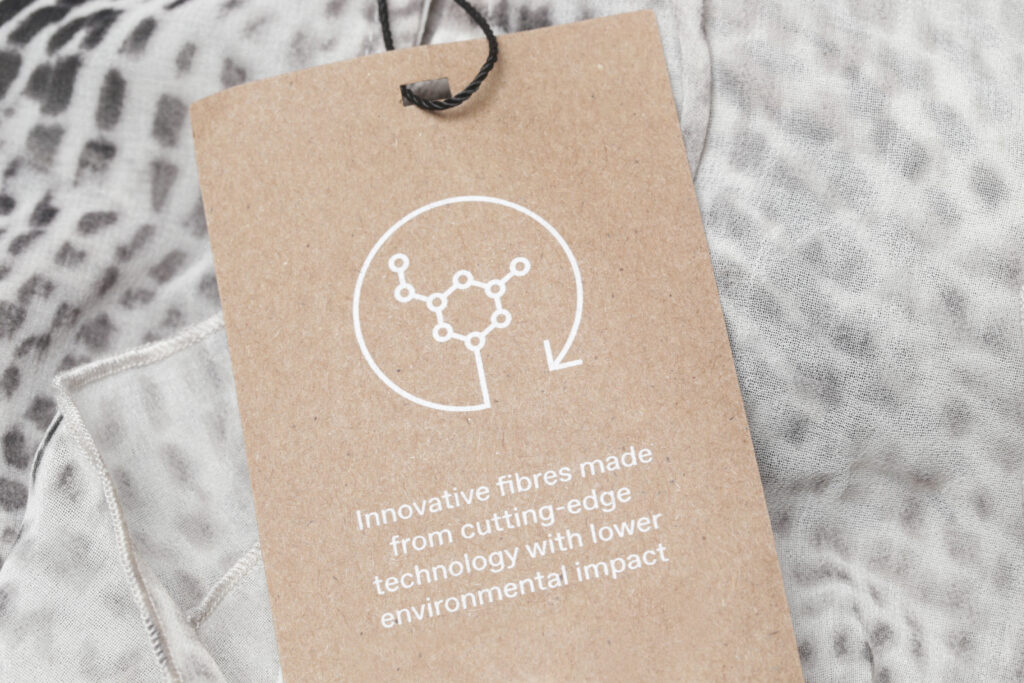
Stock inventory with reputable third-party certifications: Certifications like GOTS (Global Organic Textile Standard), OEKO-TEX Standard 100, and bluesign indicate that the products have been tested for known toxic chemicals. In dance, “we can’t eliminate the use of synthetic fabrics altogether, but at the very least we can make sure that they’re not treated with all those harmful chemicals,” says Janelle Morgan, founder of Bear Bear Dancewear. The brand makes garments with materials approved by OEKO-TEX, with the aim of providing dancewear that is gentle on children’s skin.
Consider fabric content: Lean toward natural fiber, says Valliant, and try to lower the percentage of synthetic fabric in garments you stock. Avoid 100% synthetics like polyester and nylon when alternatives are available, Gerona says, and seek out blends with modest amounts of elastane (2% to 8%). When guiding dance parents, Dunning says, suggest putting clean-clothing barriers between the body and any plastic, particularly in private areas and especially for kids.
Ask questions: “Ask the suppliers for all of that information, like exactly what the fiber content is, what dyes were used, and if it was PFAS-treated. Even the country of origin might be helpful,” Valliant says. “If those products are coming from Europe, you’re likely to have a slightly safer product because [EU] chemical regulations are a bit better.”
Scope out good brand behavior: Look for “clear disclosure on websites and tags,” Gerona says. “The more progressive brands will explicitly state ‘no PFAS,’ ‘no antimicrobial finishes,’ ‘OEKO-TEX’ or ‘GOTS-certified fabrics,’ and sometimes they will provide, even, traceability on mills or fabric sources.”
Share laundry tips: Encourage customers to wash synthetics before wearing, Gerona says, ideally twice, to minimize exposure to residues, excess dyes, and other chemicals. Heat exacerbates leaching and shedding, Valliant says, so recommend washing on cold, air drying, and using a microfiber filter. Washing separately is also wise, Gerona adds, because “whatever sheds from your synthetic fiber can be incorporated into your non-synthetic fiber.”
Remind dancers to change ASAP: “The longer that a product is in contact with your skin, the more likely you are to absorb more of the chemicals that are in the product,” Davis says. So remind customers to “do what you need to do, and then change.”
Give your customers options: “Demand from customers is growing fast as these health concerns are emerging scientifically,” Valliant says. Morgan, who’s been making a push to get her own brand into retail stores, knows it’s been a difficult time economically. “I’ve heard of a lot of retailers downsizing,” she says. “But I would hope that they’ll listen to their customers and what they need,” and do their best to offer it.
The Bottom Line
Dunning says she works with companies big and small to try to “get harmful chemicals out of their clothes, and also to position it as a good thing.” She believes companies have “a moral obligation to do better,” but she also helps them see it as a business advantage. “If you position your product the right way, you can actually make doing the right thing a selling point versus a cost to you.”
“We are seeing the market shift,” Dunning adds. “Parents, especially, are starting to be more and more aware of what they’re putting on their kids’ bodies.” As they demand better options, she says, “it could be a win-win situation, both from an ethos standpoint and from a business standpoint.”
Stav Ziv is a journalist based in New York City whose work has appeared in Dance Magazine and other Dance Media publications, as well as The Forward, The New York Times, The Atlantic, and Newsweek.