
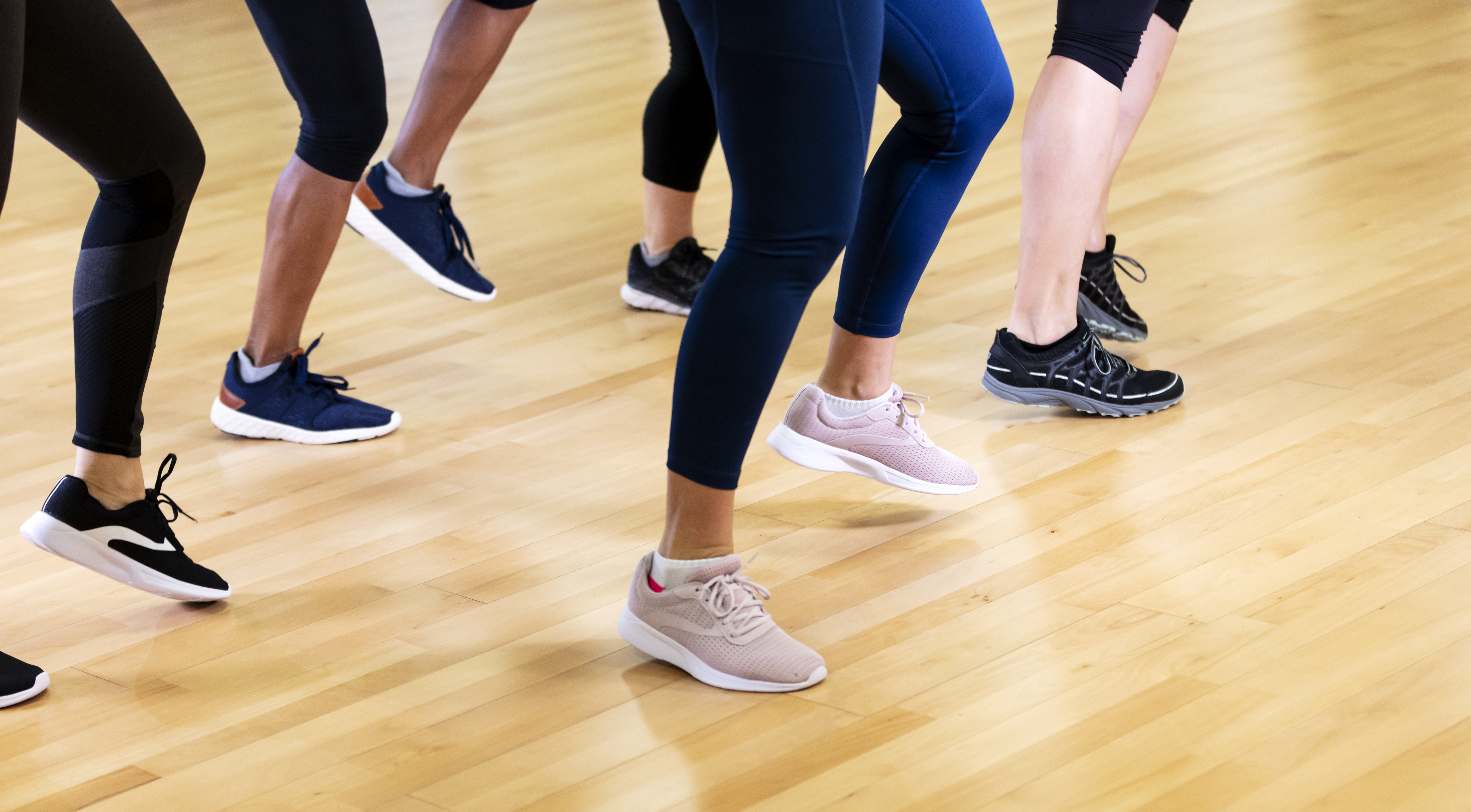
Several new sneaker styles hit the dancewear market last year, offering fresh options for dancers looking for both function and comfort. Bloch introduced KIX, a sleek, sportswear-inspired sneaker that blends street style with the technical support dancers need. Meanwhile, Pointepeople launched Ance, a recovery sneaker designed with a wide toe box to allow feet to decompress after hours spent in tight dance shoes.
In a career where performers spend nearly every moment on their feet, having supportive, well-designed footwear is essential. To help dancers stay performance-ready year-round, Dance Magazine spoke with two podiatrists who regularly work with dancers to get expert advice on what to look for—and what to steer clear of—when shopping for sneakers.
It’s the kind of knowledge that’s worth passing along to your customers, and keeping in mind when advising them on any sneaker styles you carry in your store, or even when deciding which ones to stock in the first place. By offering shoes that align with these expert recommendations, you’ll ensure that your customers not only find stylish footwear, but also the performance support they need—whether they’re onstage or off. —Emily May, Editor, Dance Retailer News
Make Sure They’re Wide Enough
According to Manhattan-based podiatrist Thomas Novella, dancers often have “wide-ball, narrow-heel” feet. Soles not manufactured widely enough at the ball will eventually stretch and produce pressure and discomfort under the borders of the foot.
Look for a Firm but Flexible Sole
Look for a sole that’s flexible at the ball of the foot, but firmer in the mid-shank. “A shoe which is too rigid will force the Achilles tendon to work overtime, and flexibility at the ball of the foot will reduce that stress,” says Atlanta-based podiatrist Frank Sinkoe. Novella adds that this enhances a normal gait, protects the midfoot from strain and helps protect tired feet and ankles.
Try this test: If you grab the shoe with both hands at the ball and the heel, it should resist twisting (like the way you would wring out a towel).

Check the Inside
Before a dancer purchases a new pair of sneakers, they should put their hand inside the shoe and press into the sole at the ball. They don’t want to feel bumps or irregularities.
Consider Insoles
Both doctors suggest that dancers should invest in a removable insole—they can be customized more than the actual shoe to cater to their specific needs.
Buy Often
Dancers should replace heavily worn shoes “as often as [they] can afford,” or at least annually, says Novella.
Shop at Night
Dancers should never try on new shoes at the beginning of the day, since their feet will be less swollen than usual. According to Novella, it’s best to fit shoes at the end of the day and maybe even after class, while a dancer’s feet are at their largest. Always size up if unsure.
This is an updated version of an article published in Dance Magazine in 2017. You can read the original here.