
As Gilbert Russell noted in DRN’s recent article on the global oil shock triggered by the war in Iran, “As consumers cut back on spending and businesses pull back on investment, there’s a chance of a worldwide recession. In a recession, it’s tough to maintain sales levels, and there’s a lot of downward pressure on prices. There’s also a chance of stagflation, which is the worst of both worlds: high inflation and slow sales.”
With this in mind, it’s a good moment to revisit attorney and small-business expert Barbara Weltman’s guidance on how dance retailers can prepare for an economic downturn. Below are five key strategies drawn from her guidance on navigating uncertain conditions. —Emily May, editor, Dance Retailer News.
1. Manage Your Inventory
For a dance retailer, when there is a recession, your sales may slow down, leaving your inventory to build up. So before you place your next order for ballet shoes or leotards, weigh carefully what you have on hand now against what you could sell if there’s an economic slowdown. Of course, you need to keep the dancewear on your shelf that your customers need, but you may want to be more conservative with future ordering.
If you are inventory-heavy now, consider holding special sales—pointe shoes and leos 20 percent off, say—before any recession hits. This reduces your current load and generates cash that may be needed later on (see point 5).
You may also want to explore new vendors who could supply you with certain products at better prices. It’s always difficult to abandon a longtime vendor, but if you know there are other options for you, you can consider negotiating with your vendor for better terms on particular dancewear items.
2. Reduce Your Debt

If you have loans outstanding—a line of credit or a balance on your credit card—concentrate now on paying off what you owe. If you took out a loan to buy a new point-of-sale system and still have installments remaining, check the loan agreement on prepayment if you’re in a position now to satisfy the full amount.
You may not be able to pay down debt all at once, so start today to do this. By reducing your debt, revenue during a recessionary period won’t be too heavily needed to pay off debt.
3. Collect Receivables and Control Payables
If you’re owed money, stay on top of collections. For instance, reach out to any dance students and their families at your dance studio who are overdue on their tuition or other fees. Going forward, consider requiring full payment up front so you won’t be owed money later on. You can make it easier on families by expanding your payment options by accepting credit and debit cards, PayPal, and other payment methods.
It’s always a good idea for a small business to keep a lid on its expenses and minimize accounts payable. Taking this to heart can prove especially helpful if there’s a recession—and it will boost your bottom line now. For example, shop around for the best insurance policy for your business to cover what you need without paying for anything more.
Caution: It’s usually not a good idea to improve your financial position by laying off employees. They are valuable assets to your business and not mere expenses.
4. Maintain Essential Marketing Expenditures
To make sure that your business goes on even if there is a recession, you should keep up your marketing efforts. Resist the temptation to slash your marketing budget. Of course, you might want to review how and where you spend your marketing dollars. For example, if you regularly advertise in your local newspaper, you may wish to reduce your ad size or cut this out entirely in favor of increasing your focus on social media. Consider teaming up with other local dance businesses to co-advertise and save money.
5. Build a Rainy-Day Fund
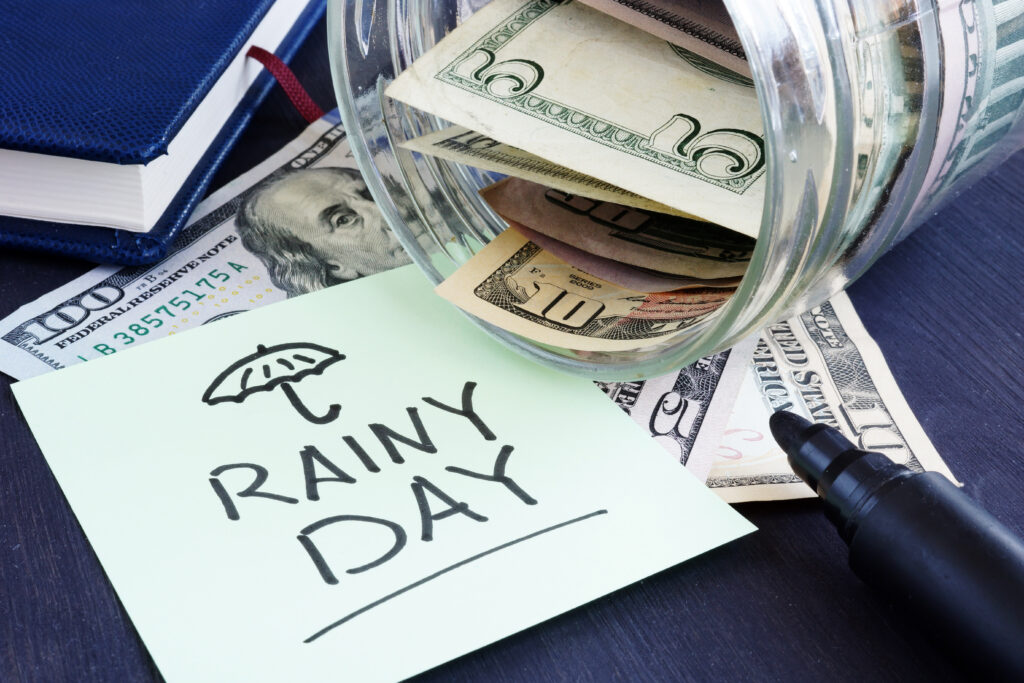
During a downturn, you want to be able to continue paying your bills on time so you don’t hurt the company’s credit rating. Now may be a good time to retain earnings in your business. Instead of taking profits out, keep them in the business bank account so you can draw on them if times get tough (as you well know, the rent doesn’t change when times get bad). As mentioned earlier, hold special sales now and retain the earnings for any future need.
The Bottom Line
No one—not the financial experts on Wall Street, people in government, or gurus on Main Street—knows if and when a recession will occur or how severe one will be. But as the Boy Scouts say: Be prepared.
Barbara Weltman, an attorney and small-business expert, is the author of J.K. Lasser’s Small Business Taxes 2020: Your Complete Guide to a Better Bottom Line, which was revised in 2026. She is also the founder of BigIdeasForSmallBusiness.com.
A version of this article was published on Dance Business Weekly in 2019.