
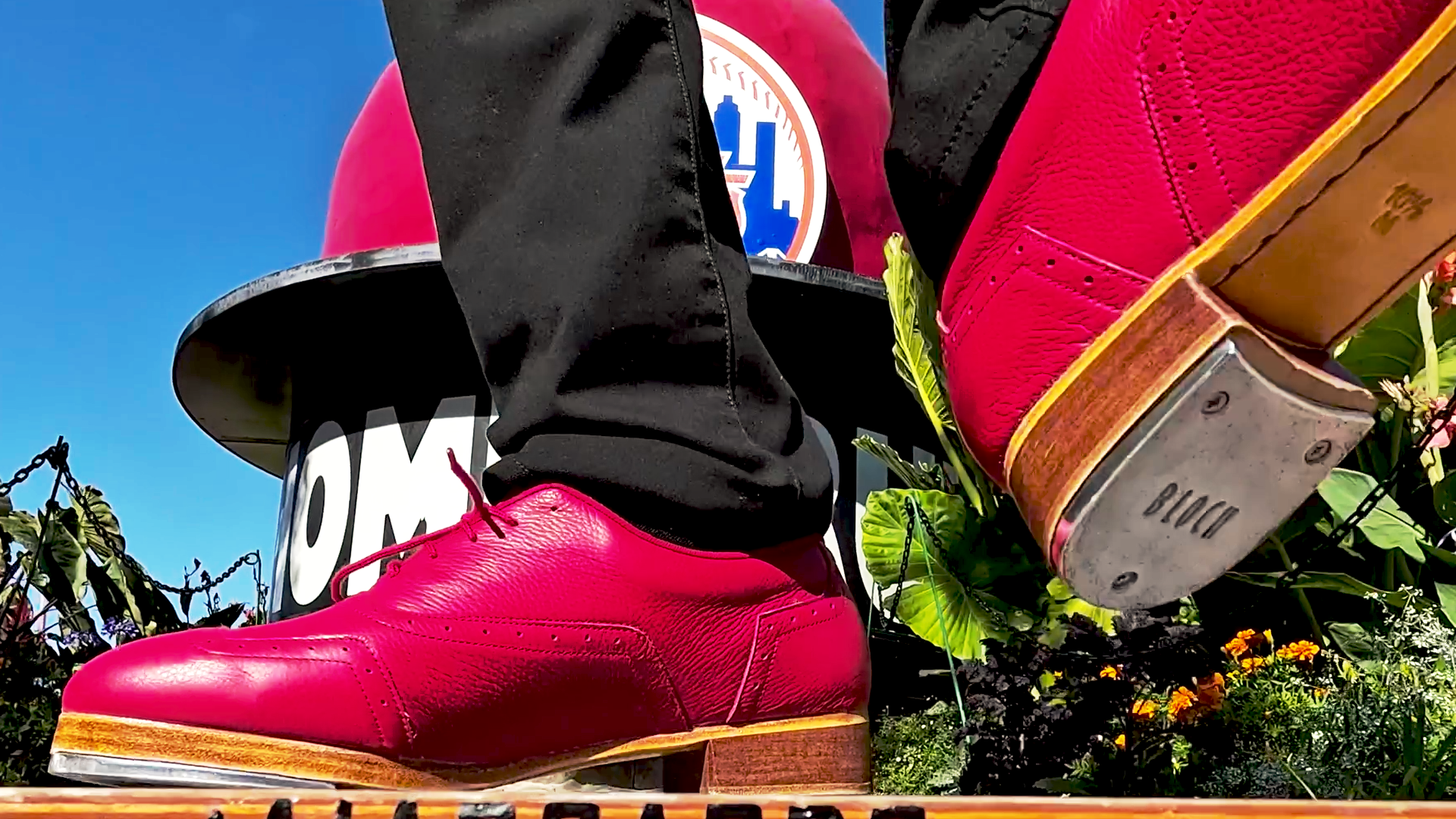
“Been waiting forever for these!!!”; “I NEEEEEEDDDD”; “Finally my favorite color just as i outgrew my last pair of colored shoes.” These are just a few of the comments on Bloch’s Instagram post announcing the release of its orange pebble-leather Jason Samuels Smith (“JSam”) tap shoe back in May—the most recent of three new JSam color drops within the past six months.
Colored and specialty tap shoes are nothing new: Trusted brands like Miller & Ben and Capezio have long offered customized options, with choices in leather colors, textures and finishes, specialized heel and sole heights and builds, and external design and detailing. Yet within the last decade, limited-edition color releases have started to take the tap world by storm.
A Growing Color Palette
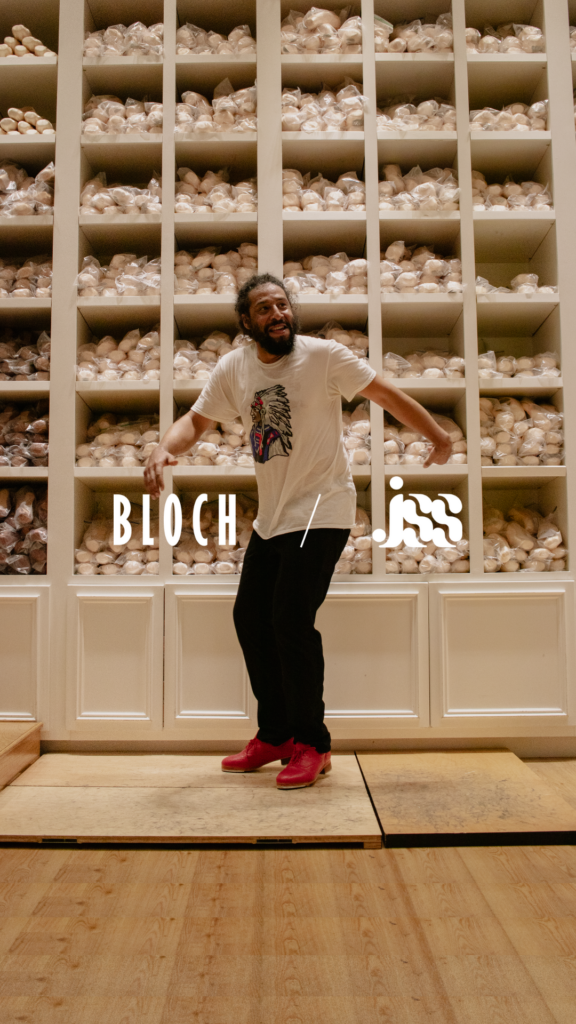
Bloch’s Jason Samuels Smith tap shoe line launched in 2008 with a basic black, eventually expanding to white. Now, the brand has released over 20 limited-edition versions of the shoe, offering a variety of colors and leather textures, including metallic pink patent, emerald green smooth leather, and yellow pebble leather. Capezio has followed suit, releasing the first limited-edition colors of its Roxy tap shoe in 2023. Over the last three years, Capezio has released more than 15 limited-edition styles, ranging from mermaid iridescent to denim.
Dance stores around the world—like Opening Night! Dancewear in Gahanna, OH, and Dance Desire in Queensland, Australia—have hopped on these trendy releases, advertising their inventories of limited-edition JSams and Roxys on social media.
“It’s a beautiful thing for tap dancers because we deserve a range of instruments that complement our personality and our style,” says tap dancer, choreographer, and humanitarian Jason Samuels Smith. He’s referring not only to his line with Bloch, but to the growing range of specialty tap shoes offered by brands across the industry.
Entering the Mainstream
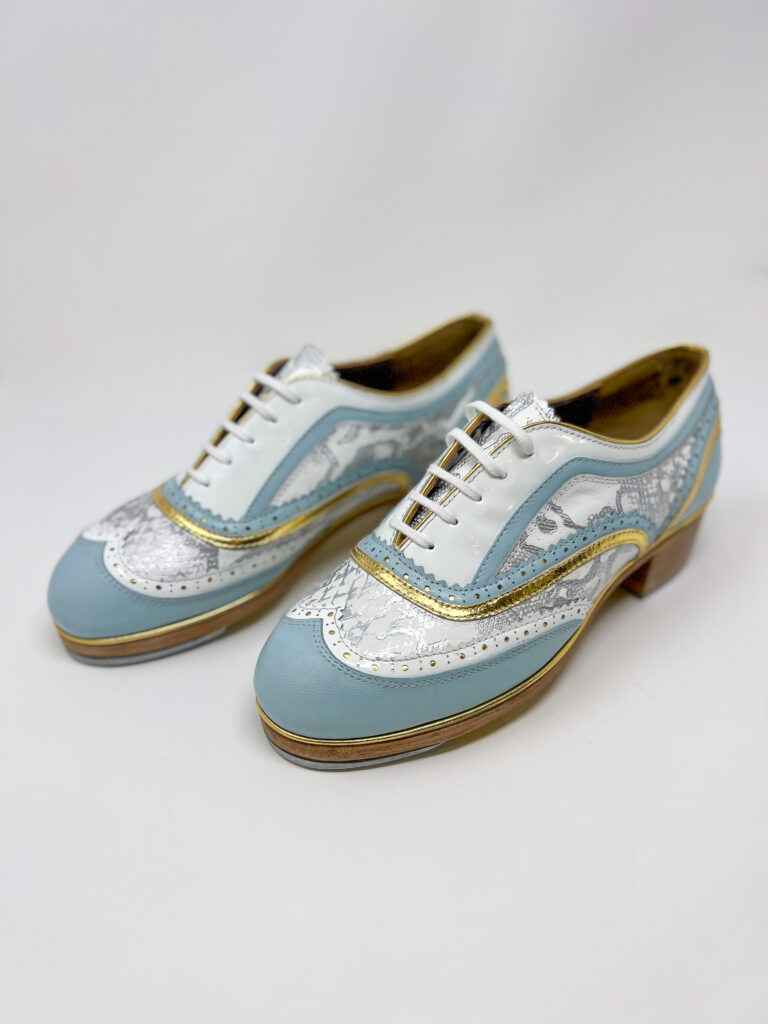
While specialty tap shoes were originally more common in professional tap circles, dancer, teacher, choreographer, and author Shannon Kaminski has noticed them become increasingly mainstream, particularly in the competitive-dance community. She thinks that the emergence of options with lower price points could be responsible. Customized shoes like the popular Capezio K360s and Miller & Ben Triple Threats can cost more than $500 because customers can personalize features such as the color, leather, heel height, and sole construction. As a result, they can take several months to produce. By comparison, limited-edition styles such as JSams or Roxy’s typically cost between $200 and $300 because they are sold off the shelf, with only the color and size varying.
“Back in the day we might have seen [multicolored shoes] at festivals and stuff,” says Kaminski, “but now we’re seeing it onstage because now the competition studios and parents are able to afford that.”
Several of Kaminski’s students at Expressenz Dance Center in Indianapolis, IN, now own multiple colors of Roxys and JSams, reflecting how collectible these releases have become. “Six pairs of shoes and she’s 9,” she says about one of her dancers. “Another girl I think has four, and my studio owner’s kid has three.”
More Than a Shoe
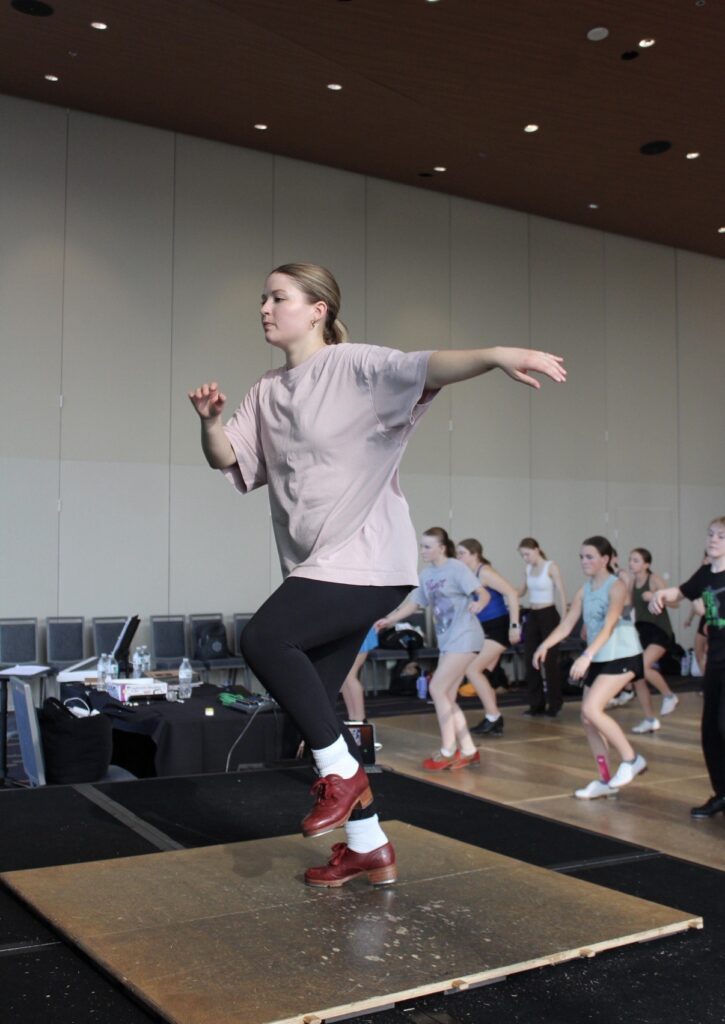
What’s driving the demand? “I just feel like they’re fun,” Kaminski says about why she thinks dancers gravitate toward colorful tap shoes. “They’re unique. It gives us something to be excited about.” For competition dance specifically, in which stages typically utilize black marley flooring, Kaminski says colorful shoes typically look better onstage because you can see them better, whereas traditional black tap shoes may blend in with the floor.
Beyond the intriguing aesthetic lies a deeper allure: self-expression. “It’s not just a shoe or a product that you buy,” says Samuels Smith. “It’s something that helps you to express yourself and tell your story.”
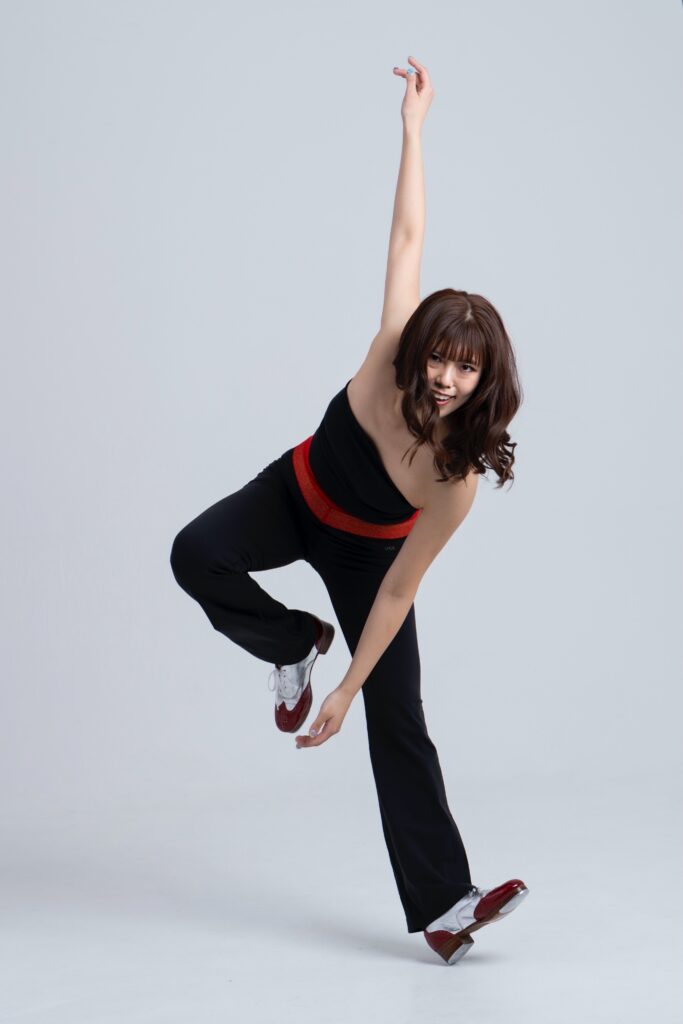
This is true for New York City–based Japanese tap artist Emiko Nakagawa. Recently named one of Dance Magazine’s 25 to Watch for 2026, she’s worn K360s since the age of 9, and purchased her first custom gold-and-white pair at the age of 16. That pair helped give her “big energy,” she says, while her most recently customized reddish-brown pair has helped attract attention onstage and in her popular Instagram videos.
“In my opinion, it connects to our confidence,” Nakagawa says. When she takes classes in New York City and sees other people wearing colored tap shoes, she compares it to being able to see a little piece of who they are.
To Stock or Not to Stock?
Should more retailers consider carrying limited-edition, and even custom, tap shoe options in their stores? Or do such options represent too narrow a market? Kaminski thinks it depends on location. “We have a store nearby called Kinney [Dancewear]. A lot of my students go there when they hear that JSam is going to drop a color,” she says. Kaminski adds that if her local shoe store sold K360s in store rather than online, offering ways for kids to try them on, they may see an influx of dancers ordering other higher-end shoes rather than just the limited edition Roxy’s and JSams. “But we have a big tap program, and are in a wealthier area.”
Nakagawa says that colorful tap shoes could also attract customers from outside the tap community: She’s had friends who are not tappers ask to see her shoes, oohing and aahing over them. While Samuels Smith stipulates that shoes aren’t usually the first thing that gets people interested in tap, he agrees that the excitement surrounding colorful shoes could serve as an entryway into the art form. More interest in tap could ultimately lead to increased demand for the products and tools needed to participate in it.
These observations are supported by findings in Market Intelo’s Tap Shoe Market Research Report 2034. It states that increased visibility of tap dance via film and television productions, as well as the proliferation of televised dance competitions, has “created celebrity-performer demand for branded, signature tap shoes, expanding total addressable market among enthusiast consumers.”
Social media has played a role, too, the report shows: Viral dance challenges, influencer partnerships, and user-generated content like testimonials and product reviews have generated a “grassroots demand for tap shoes among consumers aged 13–28, historically underrepresented in tap shoe purchases.”
The Bottom Line
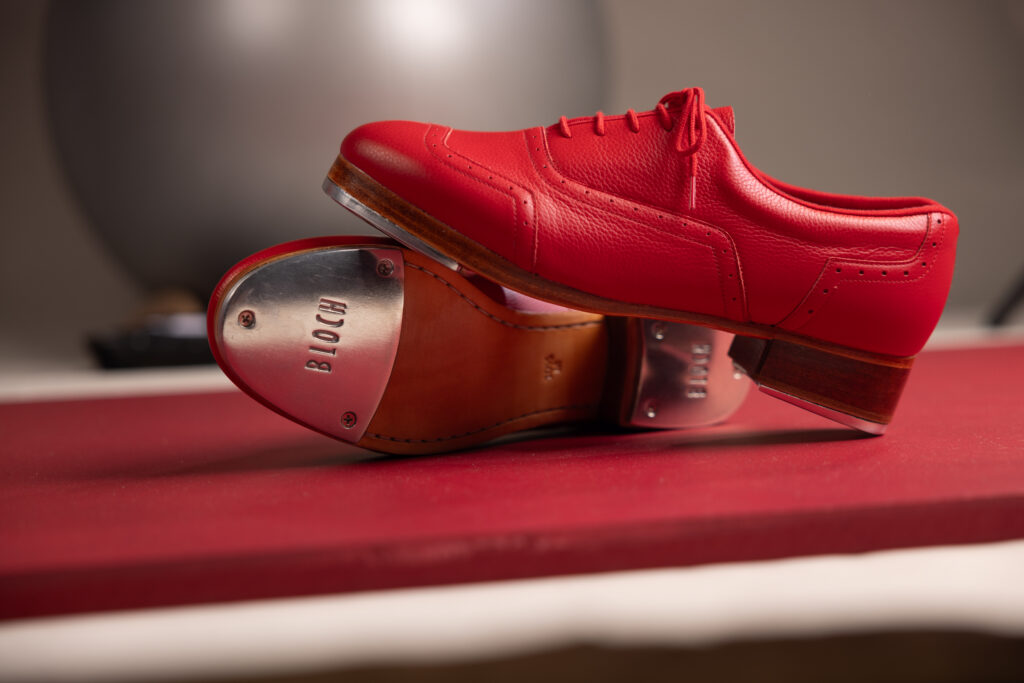
Samuels Smith’s main message to dance stores contemplating carrying specially made shoes is that you never know what people may be willing to buy. There’s such a range of individuals interested in tap, he says, that there are more people willing to consider a variety of different styles, colors, and textures than you might expect.
“Some people will go out of their way to get some fuchsia patent leathers, right?” Samuels Smith says. “I don’t know how many places that you could rock in that shoe, but maybe it’s just satisfying for somebody to own them.”
Kate Trabalka has a BA in media and communication and a minor in dance from East Tennessee State University, as well as an MA in journalism from the University of Missouri. She has been writing for Dance Media publications since 2022.