
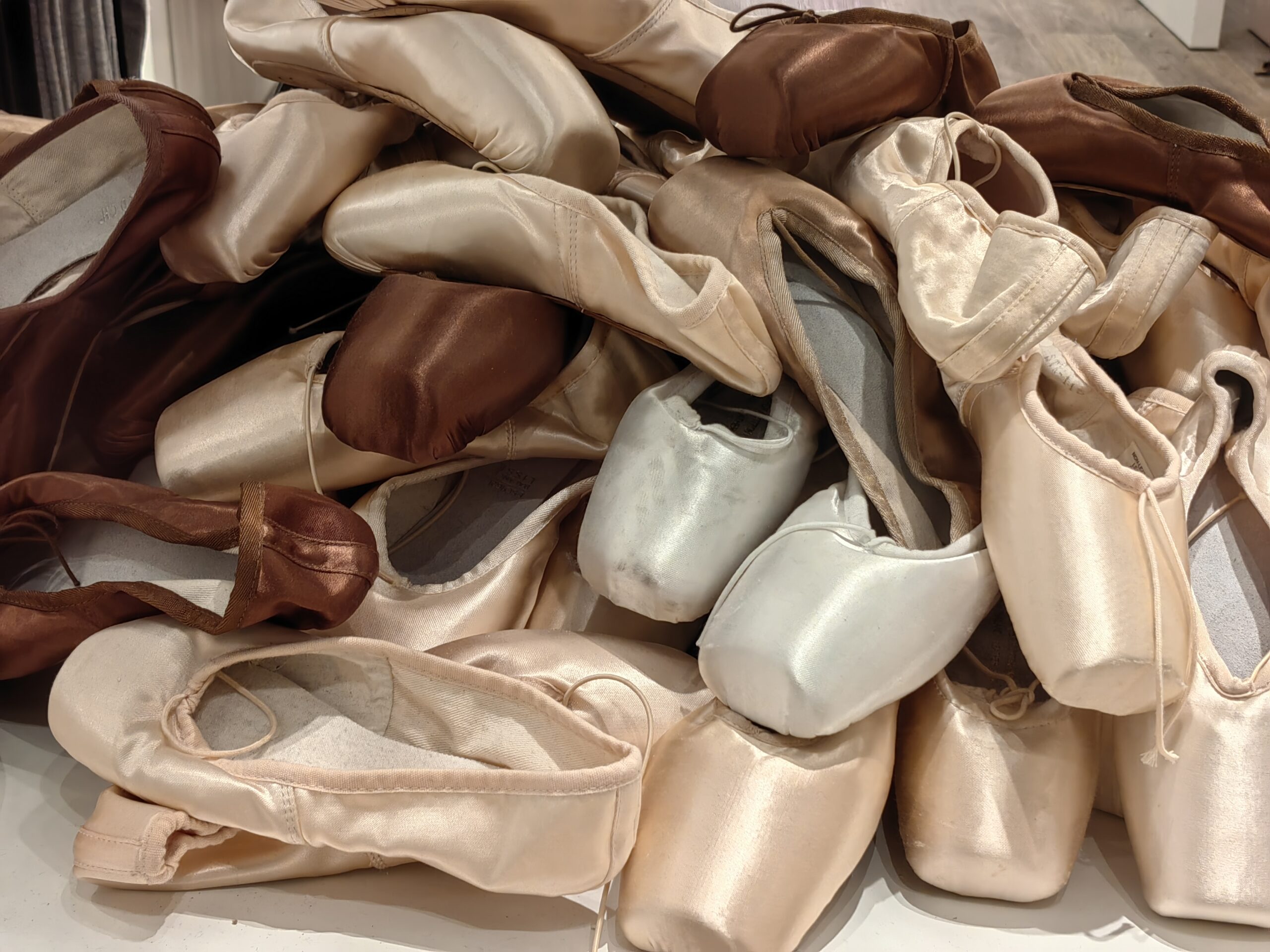
In 2020, as the Black Lives Matter movement pushed conversations about inclusivity into the spotlight, dancers and balletomanes called on shoe manufacturers to offer pointe shoes in a more diverse range of skin tones. Some brands, at least initially, answered that call. But in 2026—with tariffs squeezing the global market and diversity, equity, and inclusion initiatives dwindling—it’s worth asking: How real has progress actually been?
Today, inclusive pointe shoe shades are often harder to find than they were a few years ago. “It seems that some brands jumped on that as a marketing ploy, but then they realized how expensive it is to mass-produce shoes in different shades,” says expert fitter Riley Thomas Weber. The crux of the issue is supply and demand. Retailers have to spend thousands to stock new shoes in enough sizes, and Black and brown artists are still a minority in the art form. “With fewer dancers of color to begin with, there are fewer dancers to buy these shoes,” says Weber. “So fewer are stocked in-store.” Sandy Barrack, Pacific Northwest Ballet’s production stage manager, believes that the solution lies in consistent, committed efforts to celebrate dancers of color and making ballet more accessible. “The more that we embrace a more diverse community, the more kids will be in schools wanting these shoes,” she says.
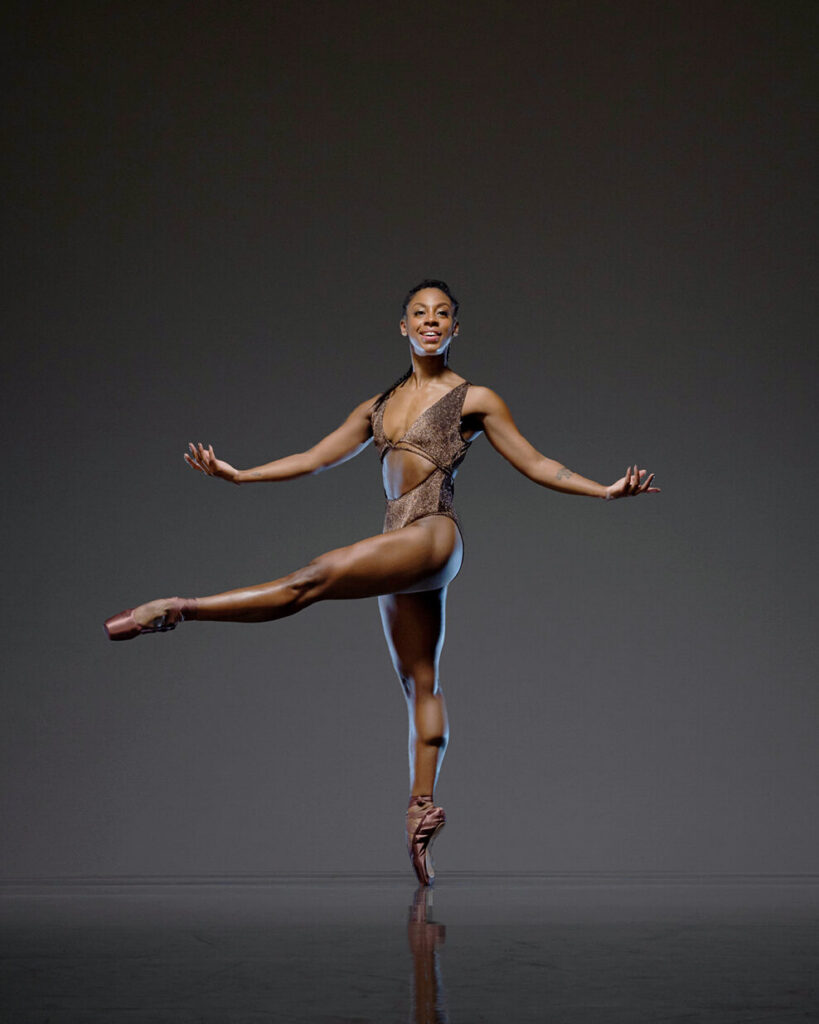
Of course, the value of producing an inclusive range of shades goes far beyond finances. Isabela Coracy, a leading dancer with Ballet Black, understands the fiscal challenges manufacturers face. “But it would be a good change if production [of diverse shades] could be as normal as it is with pink shoes,” she says. Going forward, she hopes to see not only pointe shoes in a wider range of shades but also ribbons and elastic, which typically come in several variations of elasticity and width in pink shades, but only a few in bronze and brown. Barrack says a small startup, pointeshoeribbons.com, attempted to fill the gap—but the company recently folded.
Coracy emphasizes that diverse options cannot just be a trend. “I think of all the dancers who didn’t become professionals because they did not feel represented,” she says. “We have so many leotards. Why not pointe shoes?”
Kyra Laubacher is Dance Spirit’s editor in chief and Pointe’s news editor.
This piece was originally published as a side bar to a longer article on pointe shoe innovation in Dance Magazine’s May/June 2026 issue. You can read it here.