
Pointe shoe fitting has long been viewed as a retail service, with no internationally recognized pathway or certification program that helps dancers, parents, teachers, schools, or dance-store owners understand what level of training has been completed by a fitter. So, it begs the question: How do fitters determine when they have reached a level of experience that allows them to call themselves an expert or a master—terms that are increasingly appearing on advertisements for fitting services across social media.
DRN spoke with three experienced fitters about those titles; how they keep their knowledge up-to-date with evolving pointe shoe technologies; and ideas on what standardization could look like. The group included:
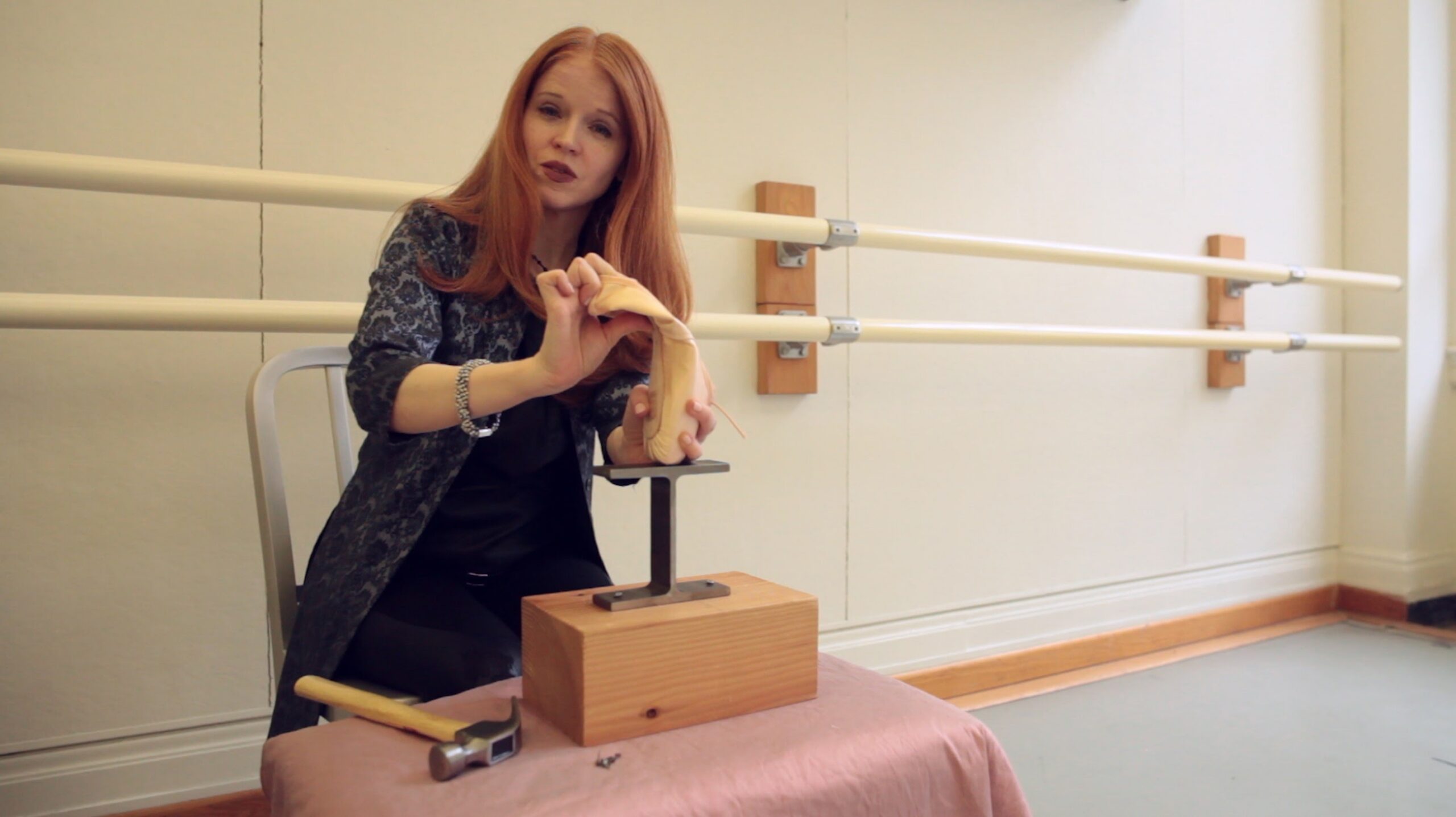
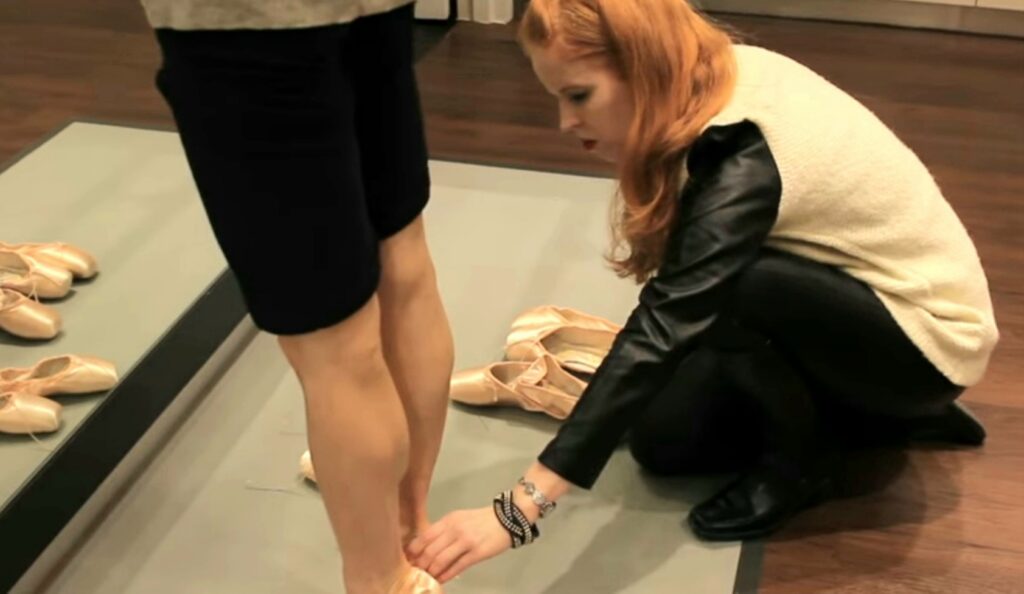
- Mary Carpenter, a New York City-based ballet teacher and former professional dancer who has worked as a fitter for Repetto USA, Gaynor Minden, Freed of London, and Capezio. She is now self-employed as a fitting consultant who also teaches workshops, trains fitters, and creates content for her Dancewithmary NYC YouTube channel.
- Esther Juon, a New Zealand–based former professional dancer and founder of Juon Pointe (an organization that promotes dancer safety and pointe readiness alongside lessons on pointe shoe fitting) and the Pointe Shoe Summit.
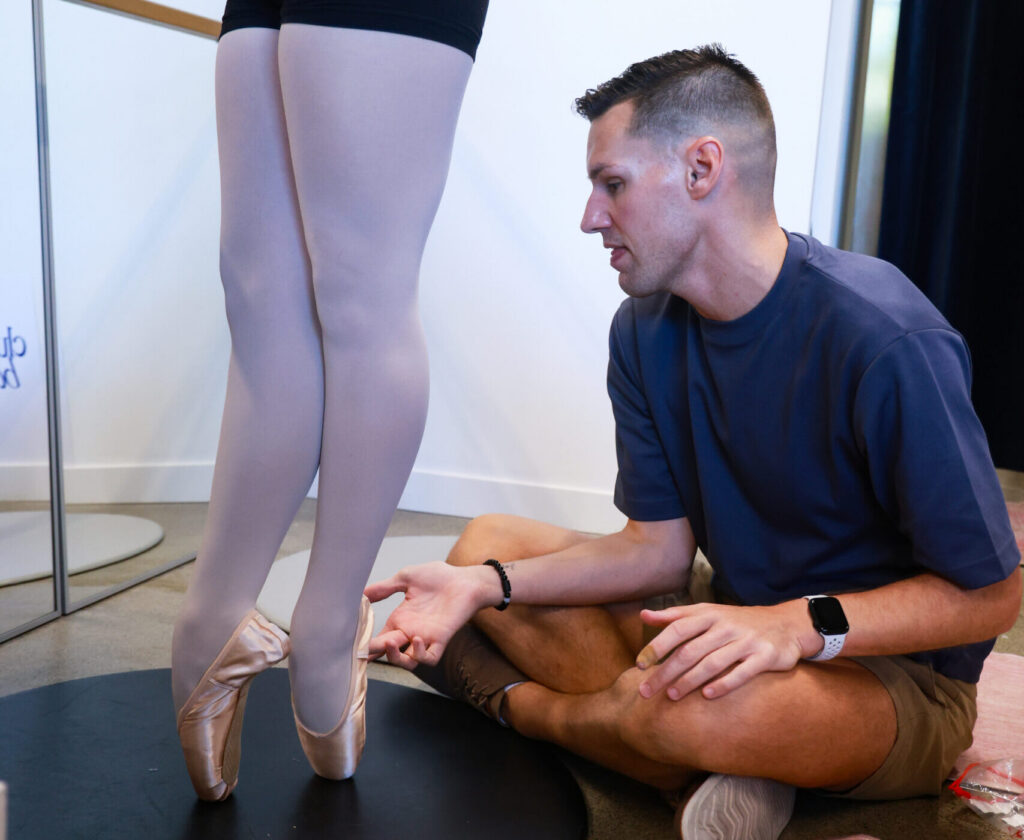
- Riley Thomas Weber, a teacher and a former Nikolay program manager based in Orlando, FL, who produces pointe-shoe-fitting content during his travels for his Instagram and TikTok.
“Expert” vs. “Master Fitter”?
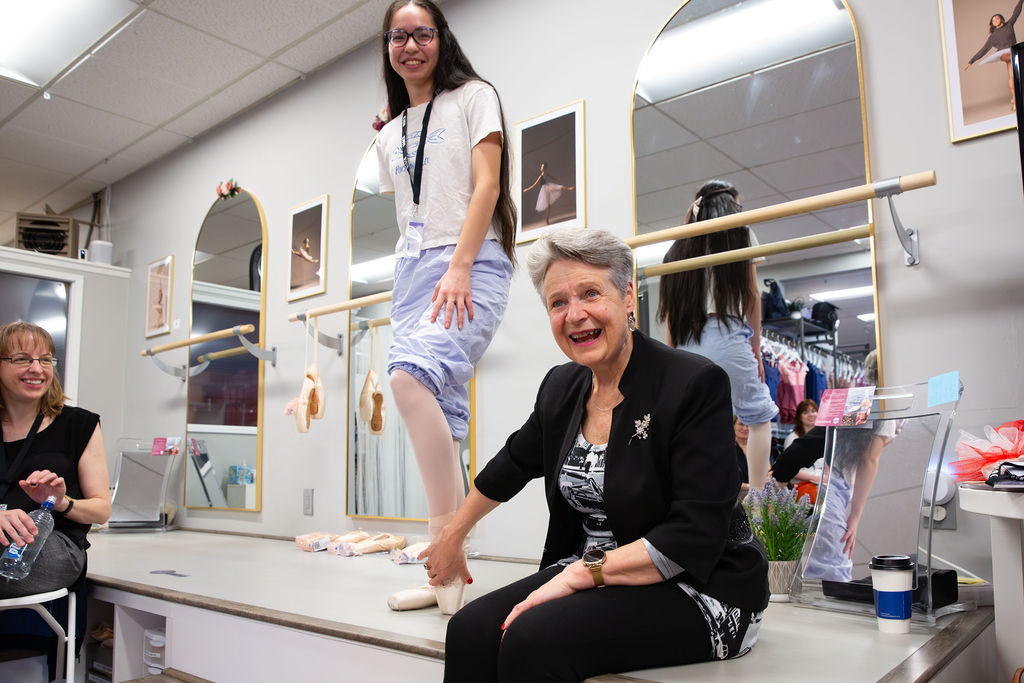
Carpenter uses the “master fitter” title, but she until she had at least 20 years of experience, which included: learning how to fit pointe shoes from Repetto store manager and former dancer Tina Dunn in Manhattan (who had been trained by Rodney Freed of Freed of London); working with multiple brands and styles, both as a dancer and as a fitter; and becoming a certified instructor in Pilates and Progressive Ballet Technique, a body conditioning and strengthening program designed for dancers. “You’re not a ‘master’ when you’re in your 20s,” Carpenter says.
Yet Carpenter, Juon, and Weber all agree that expertise isn’t always determined by years of experience. A fitter’s quality of understanding, and the consistency of their results, is more important than the number of years they’ve been active.
“I don’t know if you can quantify when someone is experienced ‘enough’ because everyone is different,” Weber says. “ ‘Master fitter’ is a title that brands often use, yet those fitters focus on their specific products, which is slightly problematic. A true master fitter should be fitting all different brands of pointe shoes.”
Weber and Juon avoid referring to themselves as an expert or master. “The word ‘expert’ often suggests someone has finished learning,” says Juon, “whereas I believe learning should never stop. A truly experienced fitter understands why a particular shoe works rather than simply which shoe appears to fit, and recognizes when a dancer is not yet ready for pointe or when factors outside the shoe itself need to be addressed.”
Staying Informed
As pointe shoe brands continue to develop new models, materials, and construction methods, fitters need to keep on top of current trends, in addition to studying anatomy, biomechanics, injury prevention, and teaching methods. “Collaboration with physiotherapists, podiatrists, dance medicine professionals, teachers, and manufacturers is invaluable because every discipline contributes a different perspective,” Juon says.
Carpenter, for example, developed a relationship with Westside Dance Physical Therapy in New York City. This led to her becoming a guest lecturer for the Dance Medicine Education Initiative, which provides continuing education courses for healthcare and movement professionals who work with dancers. She also stays in the know by regularly checking in with teachers, dancers, and a small group of fitters. “Another way I stay current on styles is by being friendly with dance retailers and the brands themselves,” Carpenter says. “I’ll ask about what they have that’s new, and sometimes I’ll ask brands for samples if they have a new line.”
Weber gets to witness firsthand how various shoes work on the students he fits and teaches. “I get to see how they break in their shoes and how they dance differently or respond to a new style,” he says.
Yet the fundamental anatomical principles of fitting shoes remain the same, even with new shoes coming to market every year: “The challenge is understanding how different shoes interact with different feet,” Juon says. She regards every fitting as a learning opportunity because every dancer has unique needs with varying structural differences, and newer or different shoe constructions may require different fitting considerations.
Views on Standardization and Certification
Carpenter, Juon, and Weber all agree that educational standards for pointe shoe fitters would be ideal, but they also expressed some reservations about the role and potential limitations of certification programs. “My concern would be with certification being treated as proof that someone’s learning is complete, or that holding a certificate automatically makes someone an expert,” says Juon. “A good certification program should establish a strong standard of knowledge and practical competence, but it should also encourage continued learning, professional development, and collaboration throughout a fitter’s career.”
It might be helpful to look to the trades, Carpenter says. Plumbing professionals, for example, follow a multi-year, progressive, hands-on training program under the mentorship of a “master plumber.” Pointe shoe fitters might study under the mentorship of a master while learning anatomy, dancer development, and working on strong customer service skills.
“It is a specialized professional practice that sits at the intersection of dance education, biomechanics, healthcare, and product knowledge,” Juon says. “Standardization would not replace experience, but it would provide a foundation upon which experience could continue to grow while giving dancers greater confidence in the qualifications of the fitter. Ultimately, our responsibility is not simply to fit shoes but to help dancers enjoy longer, healthier, and more successful careers.”
Hannah Maria Hayes has an MA in dance education from New York University and has been writing for Dance Media publications since 2008.